

Things to keep in mind to prevent manic relapse | Safe and Sound
Mania is a typical emotional state of bipolar disorder that can have serious impacts on personal life, work, and social relationships. However, manic relapses are entirely preventable if we understand the causes and implement appropriate preventative measures. Below are some things to keep in mind to reduce the risk of manic relapse, as recommended by leading mental health experts.
Phi Thuy Linh | Bachelor of Public Health – Application of Safe and Sound Mental Health Care
Institute of Applied Medical Technology
1. Adhere to the treatment plan.

Adherence to treatment helps prevent manic relapse.
The most important thing to prevent manic relapse is to adhere to the treatment plan prescribed by your psychiatrist and psychologist. Using mood-stabilizing medication and attending regular therapy sessions will help maintain your emotional stability.
- Do not stop medication on your own: Abruptly stopping medication can increase the risk of mania relapse. Discuss any changes to your treatment plan with your psychiatrist or psychologist.
- Regular check-ups: Ensure you maintain regular contact with mental health professionals for monitoring and adjustments to your treatment if needed.
2. Effective stress management
Stress is one of the most common triggers for mania. Therefore, learning how to manage stress is a crucial part of preventing relapse. Here are some methods recommended by mental health professionals:
- Adopting relaxation techniques such as meditation, yoga, or deep breathing exercises can help reduce stress and improve emotional control.
- Plan your life: Create a reasonable schedule for work and rest time to avoid burnout.
- Attend counseling sessions: Psychologists can guide you on effective problem-solving and stress management skills.
3. Maintain a healthy lifestyle.
A healthy lifestyle not only improves your overall health but also provides a foundation for emotional stability, minimizing the risk of manic relapses. Start with small but sustainable habits such as:
- Get enough sleep: Lack of sleep or sudden changes in sleep patterns can lead to a relapse of manic episodes. Maintain a consistent sleep schedule every day. You should go to bed between 10 PM and 11 PM, as this is when the stress hormone cortisol levels gradually decrease, body temperature drops, and the brain produces melatonin, helping the body fall asleep more easily.
- Balanced eating: A diet rich in fruits, vegetables, and protein, while limiting sugar and caffeine, can support mood balance.
- Regular exercise: Physical activities such as walking, jogging, or going to the gym help release excess energy and improve mental health. You can choose to exercise during "golden" hours such as 5-8 am or 4-6 pm, and maintain at least 30 minutes of exercise per day, 5 days a week.
Psychologists encourage you to develop these habits to maintain stability in both your mental and physical health.
4. Avoid using stimulants.
Alcohol, tobacco, and stimulants are often seen as "temporary solutions" to relieve stress, but they are actually risk factors for manic relapses.
- Alcohol: Impairs emotional control and can trigger manic states.
- Drugs: Certain drugs, especially addictive substances like amphetamines, can worsen the symptoms of mania.
- Caffeine: Excessive caffeine consumption can disrupt sleep and cause agitation.
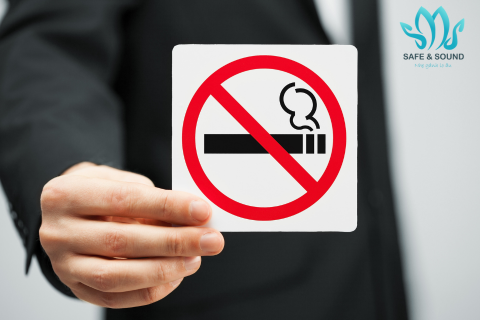
Stimulants can increase the risk of manic relapse.
5. Monitor your mood daily.
Tracking your mood daily will help you identify early signs of abnormality, allowing for timely intervention. Some ways to track your mood daily include:
- Use a mood journal: Record your feelings, energy levels, and changes in daily behavior to more easily recognize potential signs of mania.
- Share with loved ones: Family and friends can help you identify small changes that you might not notice.
- Schedule regular meetings with a professional: A psychologist will help you analyze your moods and make necessary adjustments.
6. Enhance understanding of the disease.
Understanding mania and bipolar disorder will help you be more proactive in preventing relapse.
- Research through books and documents: There are many reliable sources of information from healthcare organizations and psychology professionals.
- Attend workshops: Sharing sessions or support groups organized by mental health professionals are great opportunities to learn from others.
- Be open and honest with your psychiatrist: Don't hesitate to ask questions about your symptoms or risks associated with your condition.
7. Build a support network.
A strong support system from family, friends, and mental health professionals can help you cope with life's challenges and prevent manic relapses.
- Share with loved ones: Let them understand your situation and how they can support you when needed.
- Join a support group: Connecting with people who have similar experiences can help you feel understood and encouraged.
- Contact a mental health professional: Don't hesitate to seek professional help when you feel unable to cope on your own.
8. When should you seek help from a psychologist?
If you find it difficult to control your emotions or notice any signs of relapse, seek mental health professional immediately. Early intervention will not only help you avoid manic episodes but also improve your quality of life in the long term.
Preventing manic relapse requires a close combination of adherence to treatment protocols, maintaining a healthy lifestyle, and support from family, friends, and mental health professionals. Understanding the condition and implementing timely preventive measures will help you maintain emotional balance and enjoy life to the fullest.
If you or a loved one needs support, don't hesitate to contact mental health professionals for timely advice and assistance.
.png)
Safe and Sound Clinic - Psychological Support and Family Health
With a team of experienced doctors and experts, Safe and Sound Clinic is a pioneer in providing comprehensive healthcare for you and your family, offering services that cover both medical and psychological care.
"Early Prevention—Timely Support—Long-Term Companion."
If you suspect or encounter any physical or mental health issues, please contact HOTLINE 0964 778 911 (phone/Zalo, 24/7) for prompt assistance and support!
HOW TO MAKE AN APPOINTMENT
You can schedule an online or in-person consultation with our experts:
- At SnS Clinic - IMT Institute
- Or download and schedule a consultation through the Safe and Sound app to manage and track your appointments anytime, anywhere.
Safe and Sound (SnS)—a part of the Institute of Medical Technology (IMT)
See more:
